The Mighty 5 Utah National Parks: The Complete Travel Guide
The Mighty 5 Utah National Parks: The Complete Travel Guide
With five parks to choose from, you have many different options when deciding which park is right for you. There are a few key things to note beforehand. Whether you’re going for a few hours, days, or even weeks, check the park’s website before your visit. It will show you closures, schedules, and anything else to plan around.
It’s also important to plan for safety. Double-check your travel plans and have an outdoor emergency plan in case something goes wrong. Review the park rules ahead of time, and always clean up after yourself to avoid damaging these natural spaces.
The sections below cover each park to help you decide which one fits your trip best.
Zion National Park
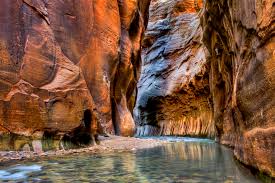
Zion National Park draws between 4.6 and 5 million visitors annually, making it one of the most popular national parks in Utah. Towering pink, cream, and red sandstone cliffs define its landscape. Angels Landing and The Narrows rank as the top two hikes within the park. The top two popular hikes within Zion are Angels Landing and The Narrows. One lets you walk through water framed by tall cliffs. The other climbs to a panoramic view of the whole park. Due to the size of the park, shuttles are available to go from point to point. Not sure where to stay? The park offers plenty of areas to camp, but reserve your spot early. The park is open year-round, but has restrictions on what is openly available to the public.
Are you ready to plan your Zion National Park visit? Check out our First-Timers Guide to Zion National Park, covering the best hikes, where to stay, shuttle tips, and everything else you need to know before you go.
Bryce Canyon National Park
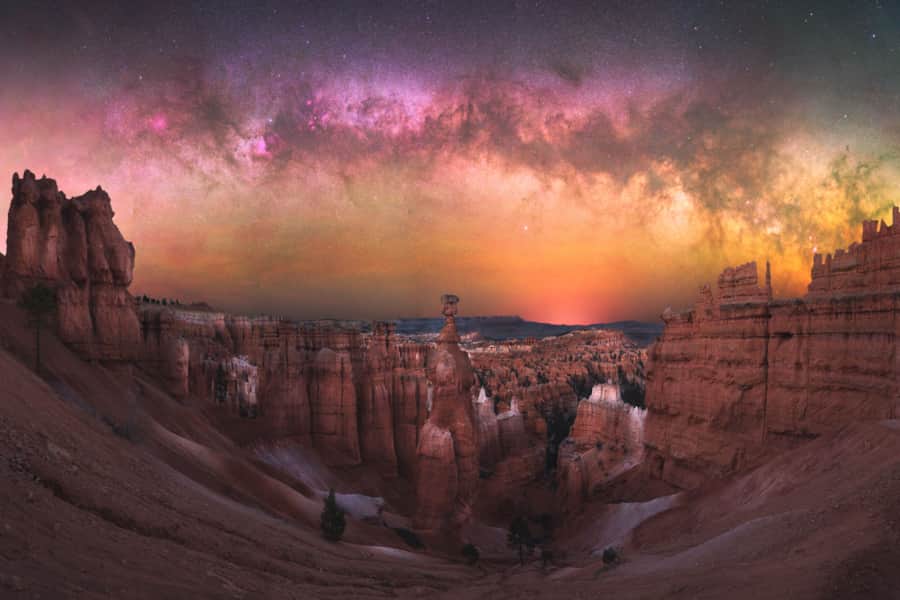
Bryce Canyon features natural bowls along the edge of a high plateau. The park features four main viewpoints within miles of each other: Bryce Point, Inspiration Point, Sunset Point, and Sunrise Point. During prime season, there is a shuttle service to take people into the park to reduce congestion. Bryce Canyon offers two campground sites, one in the winter and one in the summer season. During the winter season, hotel rooms are available in the park. Here is a site that has more in-depth information, as well as a map of the national park, which is key to planning a successful visit, as well as information to look over all the park hotels.
Ready to plan the perfect Bryce Canyon visit? Read the Visiting Utah Bryce Canyon National Park guide that helps you learn and covers the best hiking trails, lodging options inside and near the park, entrance fees, weather tips, and guided tour options to help you make the most of your trip.
Arches National Park
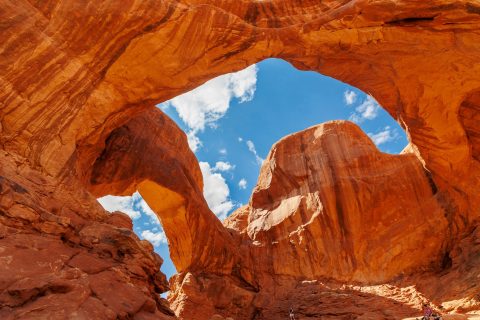
Located in a small town in Moab, Utah, Arches National Park is home to over 2000 natural sandstone arches, making it the most concentrated area on the planet filled with arches. The breathtaking landscapes that are accented with fins, towers, and stone spans all shine in vibrant shades of orange and red. Formed millions of years ago by erosion, this is all nature’s doing of wind and water. From iconic hikes like Delicate Arch to easy walks through the Windows Section, there is something for all skill levels. To top it all off, when the sun rises and sets, they create beautiful moments to take in the terrain and scenery.
Want to explore every arch and trail? Read our Visiting Utah’s Arches National Park guide that lays out the best times to visit, how to navigate the park, trail maps, where to stay nearby in Moab, and how to book your timed entry ticket before they sell out.
Capital Reef National Park
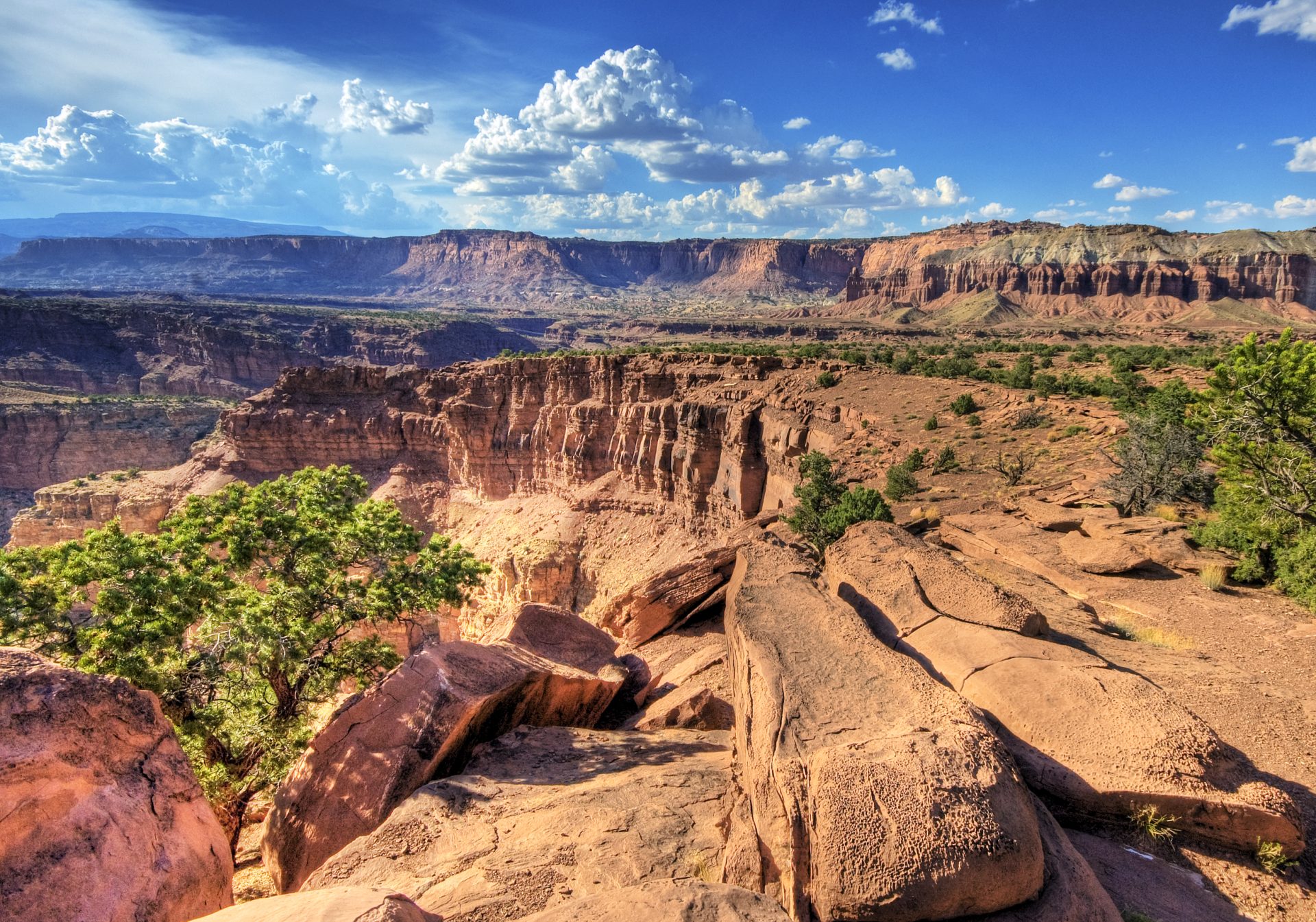 Capitol Reef National Park is home to the Waterpocket Fold, a nearly 100-mile wrinkle in the Earth’s crust. Over millions of years, it carved the landscape into towering cliffs, narrow canyons, and natural bridges. At the heart of Capitol Reef lies Fruita, a historic pioneer settlement where visitors can pick fresh fruit straight from the orchards during harvest season.
Top hiking trails in Capitol Reef include Hickman Bridge, which leads to a stunning natural sandstone arch, and Cassidy Arch, named after outlaw Butch Cassidy, offering panoramic canyon views. Prefer a more relaxed visit? The Capitol Reef Scenic Drive delivers breathtaking scenery without ever leaving your car. Unlike Zion National Park or Arches National Park, Capitol Reef requires no reservations or shuttle system, making it one of Utah’s most accessible and flexible national parks. The park is also recognized for some of the darkest night skies in the United States, making it a premier destination for stargazing in Utah. Fruita Campground offers 71 campsites; reservations are recommended, as spots fill quickly.
Don’t overlook Utah’s hidden gem. Read our guide to Capitol Reef National Park: Utah’s Most Underrated National Park to uncover everything you need to know to plan your visit.
Canyonlands National Park
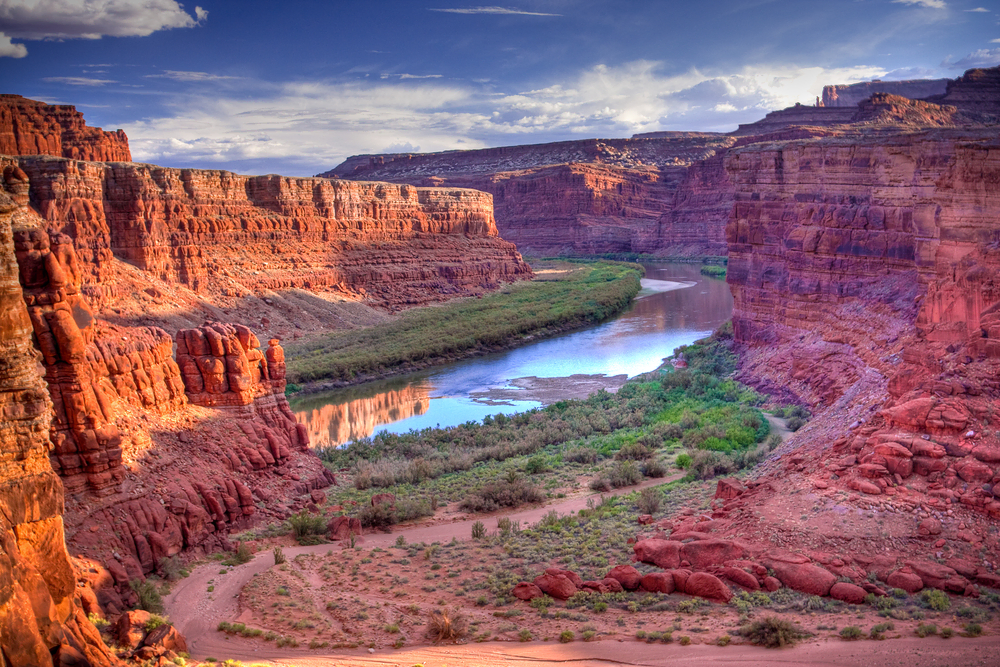
While Zion and Arches get the most fame, Canyonlands National Park offers a scale of rugged beauty that is unmatched. Divided into four distinct districts by the Green and Colorado Rivers, this park is a playground for those who want to escape the crowds and see Utah at its most raw.
The most accessible area for first-timers is Island in the Sky, a massive level mesa that sits 1,000 feet above the surrounding terrain. Here, you can find the famous Mesa Arch, which frames the canyon floor perfectly for sunrise photography. If you have a high-clearance 4WD vehicle, the Needles District offers some of the best backcountry hiking in Utah, featuring colorful spires of cedar beetling over deep canyons.
Unlike the more developed state parks near me or even the heavy shuttle systems of Zion, Canyonlands rewards the self-sufficient traveler. Whether you are mountain biking the White Rim Road or exploring the ancient rock art in the Horseshoe Canyon unit, the park requires a bit more planning but offers a much deeper sense of adventure.
Are you ready to explore Utah’s wildest park? Read our Canyonlands National Park: What to Do and How to Get There travel guide that goes over all four districts, where to stay in Moab, and essential tips to plan your next visit.
Staying prepared
Here is an additional link to help keep you and your family prepared for any hike in Utah, especially when visiting the 5 Mighty National Parks
Which Utah National Park is Right for You?
With five incredible national parks to choose from, planning a Utah road trip comes down to knowing what kind of experience you are looking for. Whether you want iconic hikes, wide open solitude, dramatic stargazing, or a little bit of everything, Utah’s Mighty 5 has something for every type of traveler. Use the comparison table below to find the park that fits your trip best, then dive into our individual park guides for everything you need to plan your perfect adventure.
Park Best For
Zion Iconic hikes & canyon scenery
Bryce Canyon Stargazing & Hoodoo formations
Arches Photography & Natural Arches
Canyonlands Backcountry & solitude
Capitol Reef Unique geology & orchards